Most physicians sell a medical office building once in their career. The buyers on the other side of the table do it for a living. The broker you hire is the one person who can level that field, which makes choosing one the single decision that most shapes your sale price, your terms and how smoothly the deal closes.
This guide covers the eight questions worth asking any healthcare real estate broker before you sign a listing agreement, what good answers sound like, the red flags to watch for, and how a healthcare-focused broker differs from a generalist commercial broker.
Why the Broker Matters More in Healthcare Real Estate
Medical office buildings and surgery center properties do not sell like ordinary commercial real estate. Three things make the choice of broker unusually consequential:
- A small, specialized buyer pool. The buyers who pay the most for clinical real estate are a relatively short list of healthcare REITs, private equity platforms, institutional funds and 1031 exchange buyers. A broker who already knows them, and knows what each is buying right now, can put your property in front of the right ones on day one.
- Physician leases drive value. In a physician-owned building, the leases are often related-party leases that were never written with an institutional buyer in mind. How those leases are structured, or restructured before a sale, can move the price more than anything else.
- Deals often run alongside a practice transaction. When a private equity group is buying the practice, the real estate sale has to fit that timeline, the new lease terms and your tax plan. That takes coordination a generalist rarely has to manage.
8 Questions to Ask Before You Hire a Healthcare Real Estate Broker
1. How many medical properties have you sold, and how recently?
Ask for a list of closed medical office, surgery center and specialty medical transactions from the last two to three years, ideally ones similar to yours in size and tenant profile. Volume matters because every closed deal is current pricing data and a buyer relationship. A broker who sells one or two medical buildings a year is learning on your property.
A good answer: specific recent closings with prices, cap rates and buyer types, and a willingness to put you in touch with past physician clients.
2. Which buyers will see my property?
You want names, not a database size. Ask which healthcare REITs, private equity platforms and institutional investors the broker has sold to recently, and which of them are actively buying properties like yours. The goal is competition among the buyers most likely to pay the most, not a mass email to every investor in the country.
3. How will you run the sale?
The process sets the price. A well-run sale brings qualified buyers to the table at the same time, sets a clear call-for-offers date, and uses competing offers to improve both price and terms. Be cautious of a broker who suggests simply "testing the market" with one or two buyers, or who encourages you to accept the first offer that arrives. We explain why in Don't Accept a Direct Offer for Your Medical Asset.
4. What is my building worth, and how did you get there?
Every broker will give you a number. Ask to see the work behind it: the comparable sales, the cap rate range for your tenant profile and lease term, and the lease assumptions built into the price. A credible valuation explains what would move the number up or down. For background on how buyers price medical buildings, see our medical property valuation guide and current medical office building cap rates.
Watch for: a valuation far above every other broker's with no clear support. An inflated number wins the listing, then gets walked back after months on the market.
5. Who will actually work on my deal day to day?
The senior broker who pitches you is not always the person who runs your transaction. Ask who will prepare the offering materials, talk to buyers, manage due diligence and answer your calls. You should know the team before you sign.
6. How will you handle my leases and tenants?
This is where healthcare experience shows. A strong broker will review every lease before going to market and tell you which terms institutional buyers will discount: short remaining terms, below-market rent, unclear expense responsibilities, or termination rights tied to a physician's retirement. In a sale-leaseback, the broker should help you negotiate a new lease that buyers will pay for without boxing in your practice.
7. How will you keep the sale confidential?
Your partners, staff and patients should hear about a sale when you decide, not from a listing site. Ask how the broker controls information: confidentiality agreements before buyers see financials, staged disclosure, and how tours are scheduled around clinic hours.
8. How will you coordinate with my M&A advisor, attorney and CPA?
If your practice is being sold, if you plan a 1031 exchange, or if partners have different goals, the real estate sale has to fit a larger plan. Ask how the broker has worked alongside practice-side advisors before. Our guides on selling a practice when you own the building and 1031 exchanges for medical property cover what that coordination involves.
Healthcare Broker vs. Generalist Commercial Broker
| Healthcare-focused broker | Generalist commercial broker | |
|---|---|---|
| Buyer reach | Direct relationships with healthcare REITs, PE platforms and 1031 buyers nationally | Mostly local and regional investors |
| Valuation | Priced on recent medical comps, tenant credit and lease term | Often priced like standard office |
| Leases | Reviews and positions physician leases before marketing | Markets the leases as they are |
| Process | Competitive, deadline-driven process aimed at institutional buyers | Listing-site exposure, offers as they come |
| Practice transactions | Coordinates timing with PE deals and M&A advisors | Rarely involved |
A local commercial broker may be excellent at leasing or selling general office space. The difference shows up in who sees your property and how it is priced. We cover this in more depth in Why Expert Representation Matters More Than Ever.
Red Flags When Interviewing Brokers
- No recent medical closings, or closings they cannot describe in detail
- A suggested price well above every other opinion, with no support behind it
- Vague answers about which buyers they will approach
- Pressure to accept an early or unsolicited offer without competition
- No plan for reviewing your leases before going to market
- A long exclusive listing term with no performance expectations
How Healthcare Real Estate Brokers Are Paid
Most brokers are paid a success fee at closing, typically a percentage of the sale price, so they are only paid if your building sells. When comparing brokers, look past the headline rate. Ask what the fee includes (valuation, lease review, marketing materials, due diligence management), how long the listing agreement runs, and what happens if a buyer the broker introduced closes after the agreement ends. The difference between a well-run and a poorly run sale is almost always larger than the difference in fees.
How CREG Healthcare Works
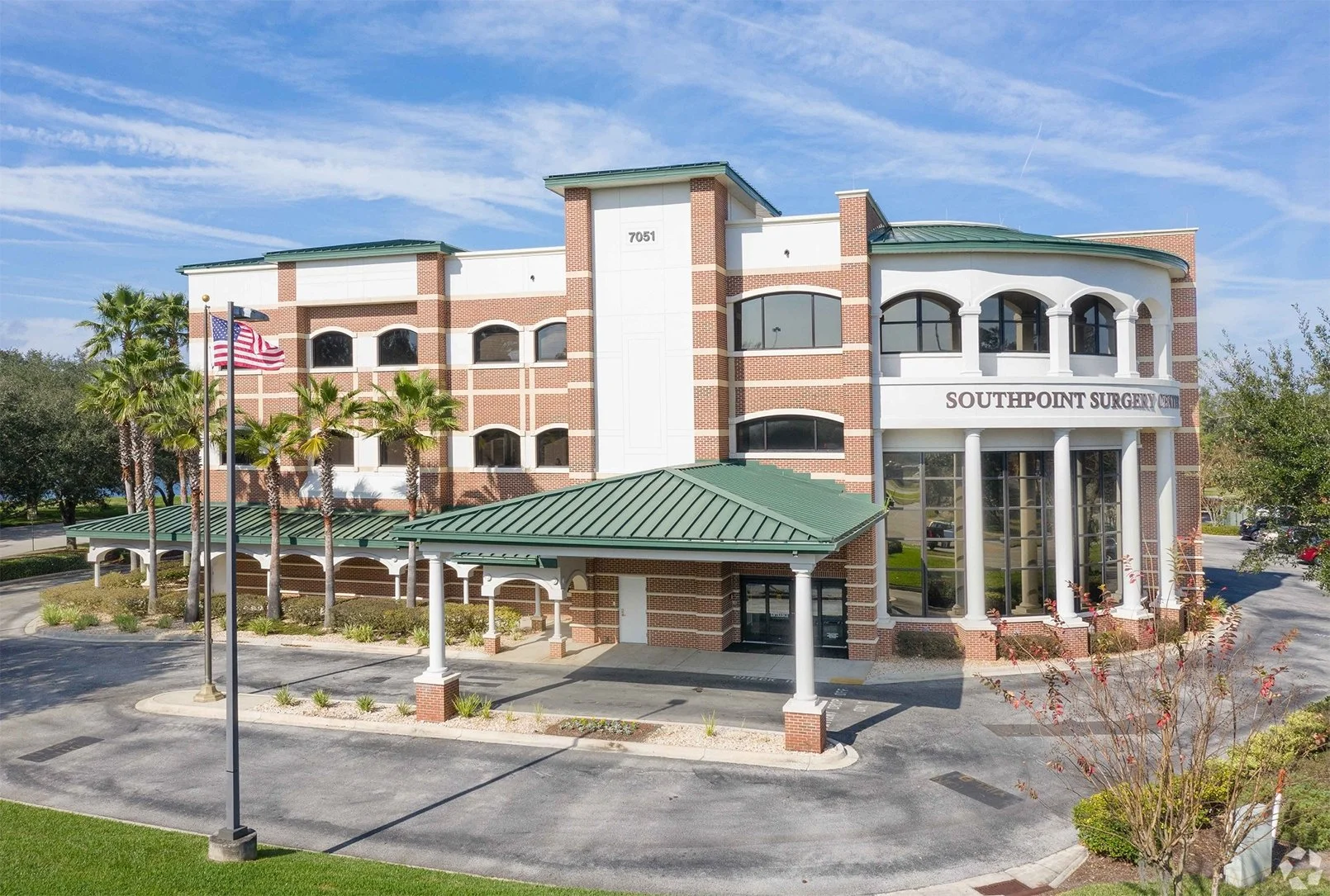
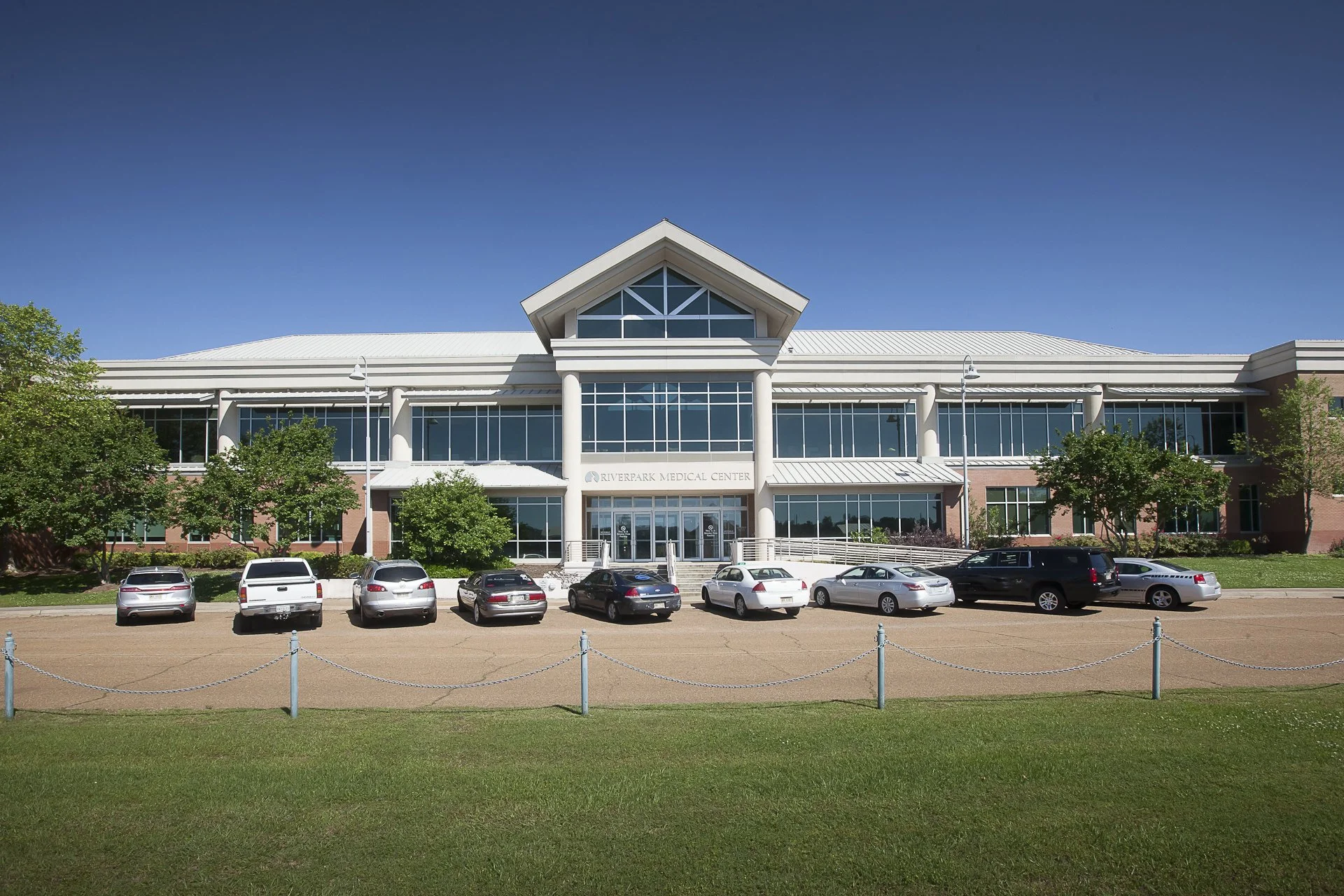
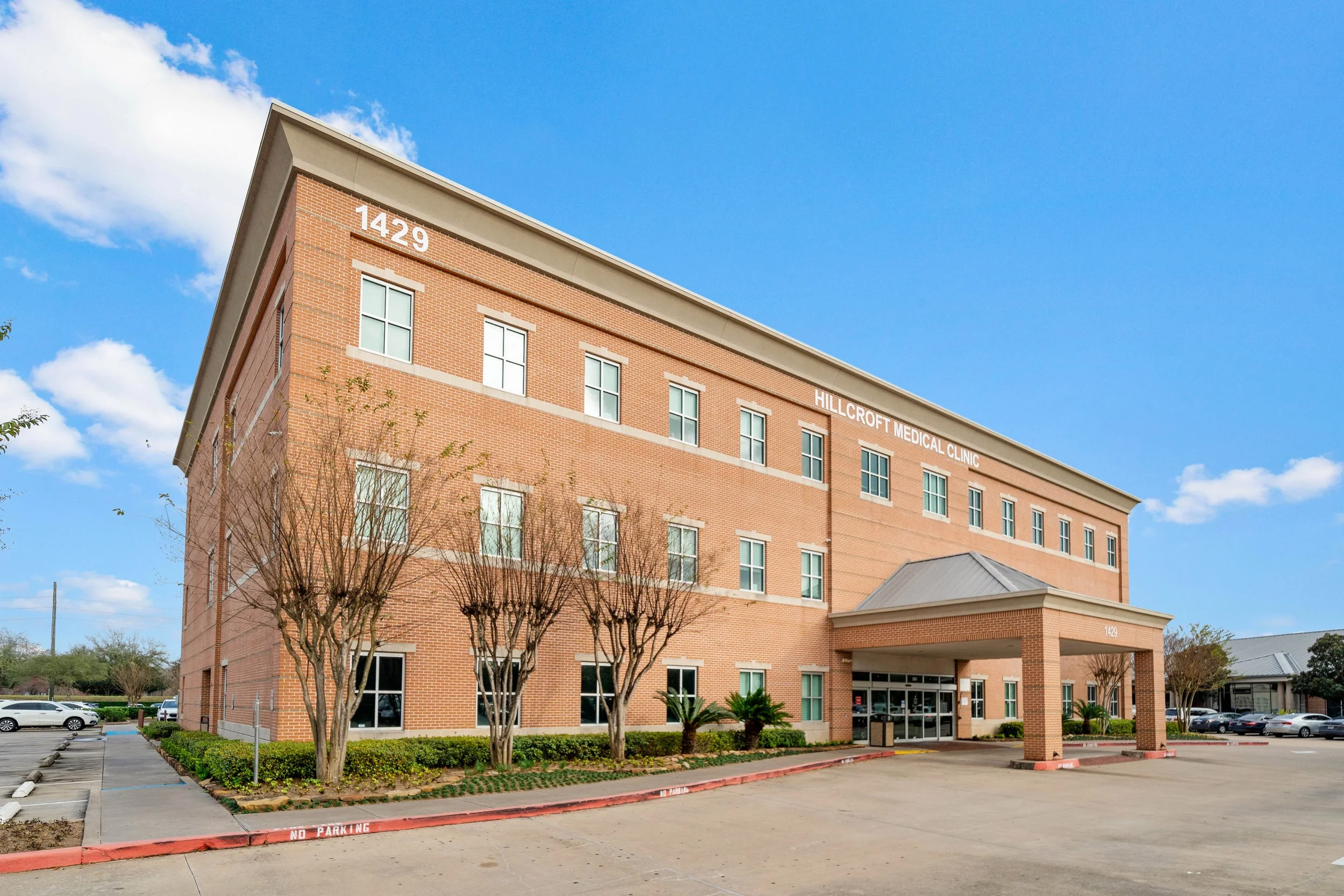
CREG Healthcare's healthcare real estate brokers focus exclusively on medical real estate: medical office buildings, surgery center properties and sale-leasebacks for physician owners. Our team has closed 200+ transactions totaling $2B+, selling to the institutional buyers who are most active in healthcare real estate. A few recent sales:
Frequently Asked Questions
Do I need a broker to sell my medical office building?
You can sell without one, but most physician-owned buildings sell to institutional buyers who expect a competitive, broker-run process. A healthcare real estate broker brings those buyers to the table at the same time, which is what drives price, and manages lease review, diligence and closing so your practice keeps running.
How many brokers should I interview?
Two or three is usually enough to compare valuations, buyer lists and processes. Ask each the same questions so you can compare the answers directly.
Should I use a local broker or a national healthcare broker?
The buyers for medical real estate are mostly national, so the broker's buyer relationships matter more than their office location. A local broker can add market knowledge, but the strongest prices usually come from putting your property in front of the national healthcare buyer pool.
When should I talk to a broker?
Earlier than most physicians expect. If a sale is one to three years away, a broker can value the building now and suggest lease or timing changes that raise the price later. If a practice sale is in discussion, involve a broker before the practice deal terms are set.
Talk to a Healthcare Real Estate Broker
CREG Healthcare provides confidential valuations for physician-owned medical real estate at no cost. We will tell you what your building would trade for in a competitive institutional process and how we would sell it.
Request a Confidential Valuation