Physician-owned ambulatory surgery center real estate can be sold to an institutional buyer entirely separately from the operating business. The most common structure is a sale-leaseback: the physician group sells the building, signs a long-term lease to continue operating the ASC, and walks away with significant capital while retaining full ownership and control of the center itself.
This article covers what drives ASC real estate value, who buys it, how the sale process works, and the most common mistakes physician-owners make along the way.
The Real Estate and the Business Are Two Different Assets
Many physicians conflate the value of their ASC with the value of the building that houses it. They are distinct assets governed by different markets, underwritten by different buyers, and priced on different metrics.
The operating business is valued on EBITDA multiples. The real estate is valued on the income it generates from the lease, expressed as a capitalization rate applied to net operating income. When CREG represents a physician-owner selling ASC real estate, we are selling the building and the lease stream, not the center's clinical operations, case volumes, or payor mix.
A real estate sale does not affect ownership of the ASC operating entity, its licenses, its physician partnership agreements, or its managed care contracts. Many physician groups sell the real estate to access capital while continuing to own the center for years.
For physicians who are also planning a practice-side transaction with a private equity partner, the real estate sale is typically handled separately and in parallel. See our article on coordinating a practice sale when you own the building for guidance on sequencing those transactions.
Sale vs. Sale-Leaseback: Which Structure Is Right for You?
ASC Real Estate vs. Standard MOB: Cap Rate Comparison
Representative ranges by asset profile. Confirm current ASC range with Josh before publishing. Source: CREG Healthcare transaction data, market research.
There are two primary transaction structures for physician-owned ASC real estate.
Sale-Leaseback is by far the most common structure. You sell the property to an institutional buyer and simultaneously sign a long-term NNN lease to continue operating your ASC in the building. The lease typically runs 12 to 20 years with renewal options. You receive sale proceeds at closing, eliminate your mortgage and property ownership obligations, and continue operating the surgery center as before. For more on how leasebacks are structured and what terms to negotiate, see our Medical Property Sale-Leaseback Guide.
Outright Sale with Relocation makes sense when the current building no longer fits the practice's clinical needs, the lease economics at a new location are favorable, or the physicians are approaching retirement and do not want a 15-year leaseback obligation. Outright sale typically generates a higher per-square-foot price than a sale-leaseback because the buyer is not taking on a long-term tenancy obligation. The trade-off is relocation cost, operational disruption, and the loss of an established location.
What Drives ASC Real Estate Value
Institutional buyers underwrite ASC real estate on the strength of the income stream, not the physical building. These five factors most directly affect value:
Lease Term and Structure
The single biggest value driver. A 15-year NNN lease is worth materially more than a 10-year lease on otherwise identical properties. Most competitive sale-leaseback processes target an initial term of 12 to 20 years.
Operator and Tenant Strength
Buyers underwrite the creditworthiness of the entity signing the lease. A PE-backed operator carries institutional credit that can support a tighter cap rate and a higher price.
Surgical Specialty and Case Mix
Orthopedics, ophthalmology, gastroenterology, and multi-specialty platforms attract the strongest buyer interest. Stable demand and favorable reimbursement trends support lower cap rates.
Facility Design and OR Count
Purpose-built ASCs with dedicated OR suites, adequate HVAC and electrical, and separated clean/dirty corridors command premium pricing. Four or more ORs signals throughput capacity; two-OR facilities carry more discount risk.
Location and Market
Growing suburban markets with strong commercial insurance penetration attract the broadest buyer pool. CON state locations can support valuations when new ASC licenses are restricted.
ASC Cap Rates by Lease Profile
See the full cap rate table below for current pricing by lease term and operator profile.
ASC Real Estate Cap Rate Ranges — 2026
| Lease Profile | Cap Rate Range | What This Means |
|---|---|---|
| PE-backed operator, 15+ yr NNN, purpose-built, primary market | 5.5% – 6.0% | Institutional premium — broadest buyer competition |
| Strong physician group, 12–15 yr NNN, multi-specialty or ortho | 6.0% – 6.5% | Core ASC target — active REIT and PE fund interest |
| Physician-owned, 10–12 yr NNN, single specialty, secondary market | 6.5% – 7.0% | Strong market — multiple buyer types competing |
| Shorter lease (7–10 yr), or facility with adaptability concerns | 7.0% – 8.0% | Value-add buyers and private investors — still liquid |
Josh: confirm these ranges against recent CREG ASC closings before publishing. Lower cap rate = higher price.
For current market data on ASC transaction volume, buyer demand, and valuation trends, see our ASC Market Update 2026. For broader cap rate benchmarks across medical office, see our Medical Office Cap Rates 2026 article.
Who Buys ASC Real Estate
The buyer universe for ASC real estate overlaps with the broader medical office buyer market but includes a subset of investors with specific ASC acquisition mandates. Understanding who the buyers are explains why a competitive marketing process produces better outcomes than accepting an unsolicited offer.
ASC Real Estate: Buyer Type Activity
Relative buyer activity by type. Illustrative based on CREG transaction experience. Josh: adjust if this doesn't reflect your experience.
Healthcare REITs are among the most active buyers of ASC real estate. They offer competitive pricing, well-resourced due diligence teams, and established closing processes. They typically require properties above a minimum size threshold and prefer long lease terms. Their cost of capital and acquisition volume means they can pay at the low end of the cap rate range when competing for quality assets.
Private Equity Real Estate Funds with healthcare real estate mandates acquire ASC buildings as part of portfolio strategies targeting medical outpatient facilities. These funds are often more flexible on asset size and structure than REITs and can move quickly when motivated. Many are actively building ASC portfolios and will pay premium prices to acquire the right assets.
Institutional Investors and Family Offices seek stable, long-duration income and view ASC real estate as an attractive alternative to other net-lease assets. These buyers tend to favor larger, stabilized facilities with strong credit tenants and long remaining lease terms.
A competitive process that surfaces 15 to 20 qualified institutional buyers frequently produces pricing 10 to 15% above what any single buyer would offer bilaterally. For a $10 million building, that difference can represent $1 to $1.5 million in additional proceeds.
The Sale Process and Timeline
Engagement and Preparation
CREG reviews the property's lease or proposed leaseback terms, rent rolls, historical operating statements, building documentation, and existing survey or title materials. We develop a broker opinion of value and prepare the confidential offering memorandum. Having clean lease documentation, current financials, and a clear facility history in hand before launch shortens the process.
Confidential Marketing
CREG distributes the OM to qualified institutional buyers under confidentiality agreement. We target buyers with demonstrated ASC acquisition history and the financial capacity to close. The marketing period for ASC real estate is typically 2 to 4 weeks, shorter than standard medical office because the buyer pool is more concentrated.
Offer Review and LOI Negotiation
CREG collects offers, prepares a comparative analysis, and advises on the trade-offs among competing bids. Price is not the only variable: closing certainty, due diligence period length, earnest money, and the buyer's track record on closing all matter. We negotiate the letter of intent to establish price, leaseback terms, timeline, and key conditions.
Due Diligence and Closing
Institutional buyers typically require 30 to 45 days of due diligence. CREG coordinates the information flow, manages the data room, and works with the seller's counsel on purchase and sale agreement negotiation in parallel with due diligence. Closing typically follows 15 to 30 days after PSA execution. Total elapsed time: 90 to 150 days for a well-prepared transaction.
Typical ASC Sale-Leaseback Timeline (Days)
Representative timeline for a well-prepared transaction. Source: CREG Healthcare transaction experience.
Transactions: What CREG Has Closed
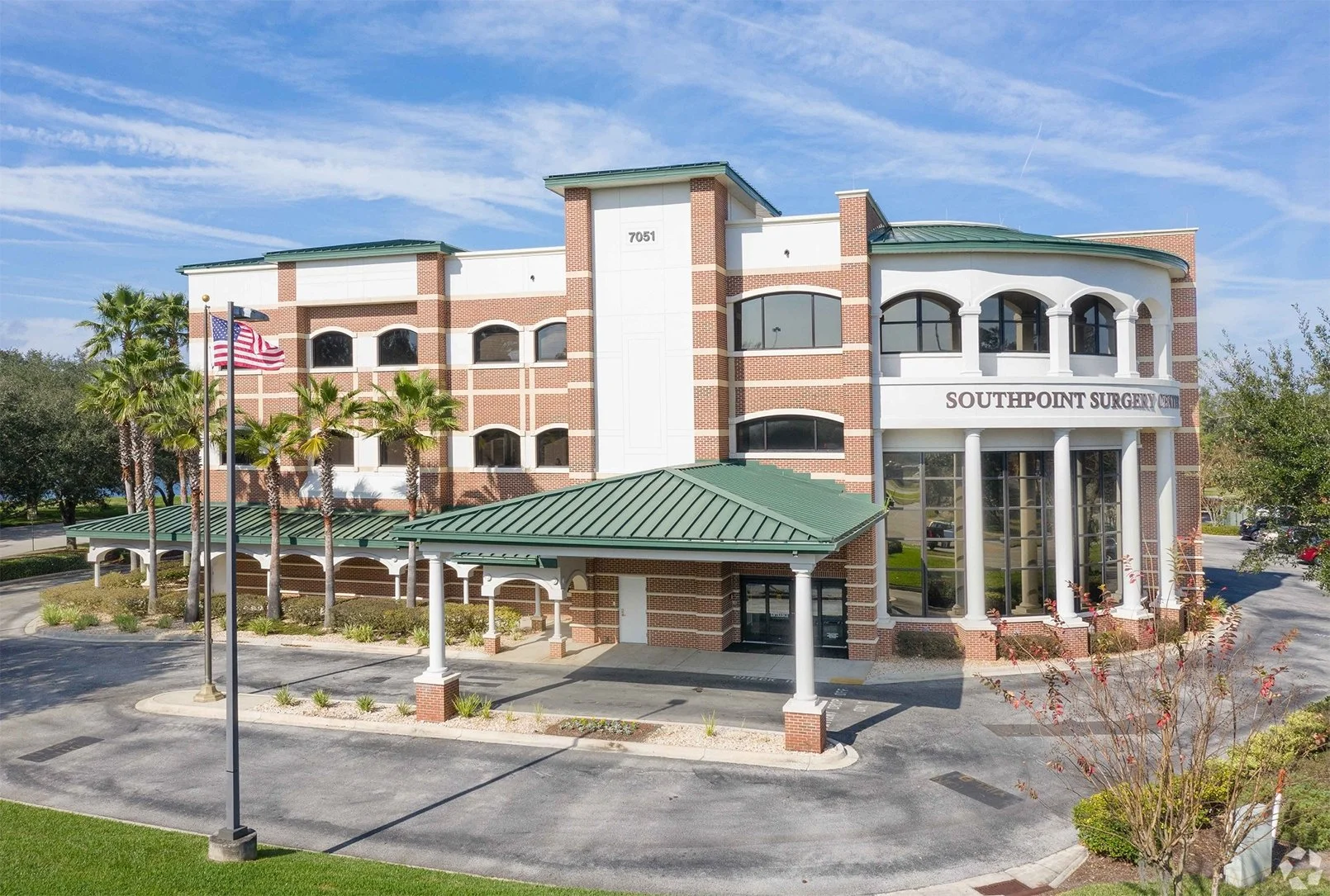
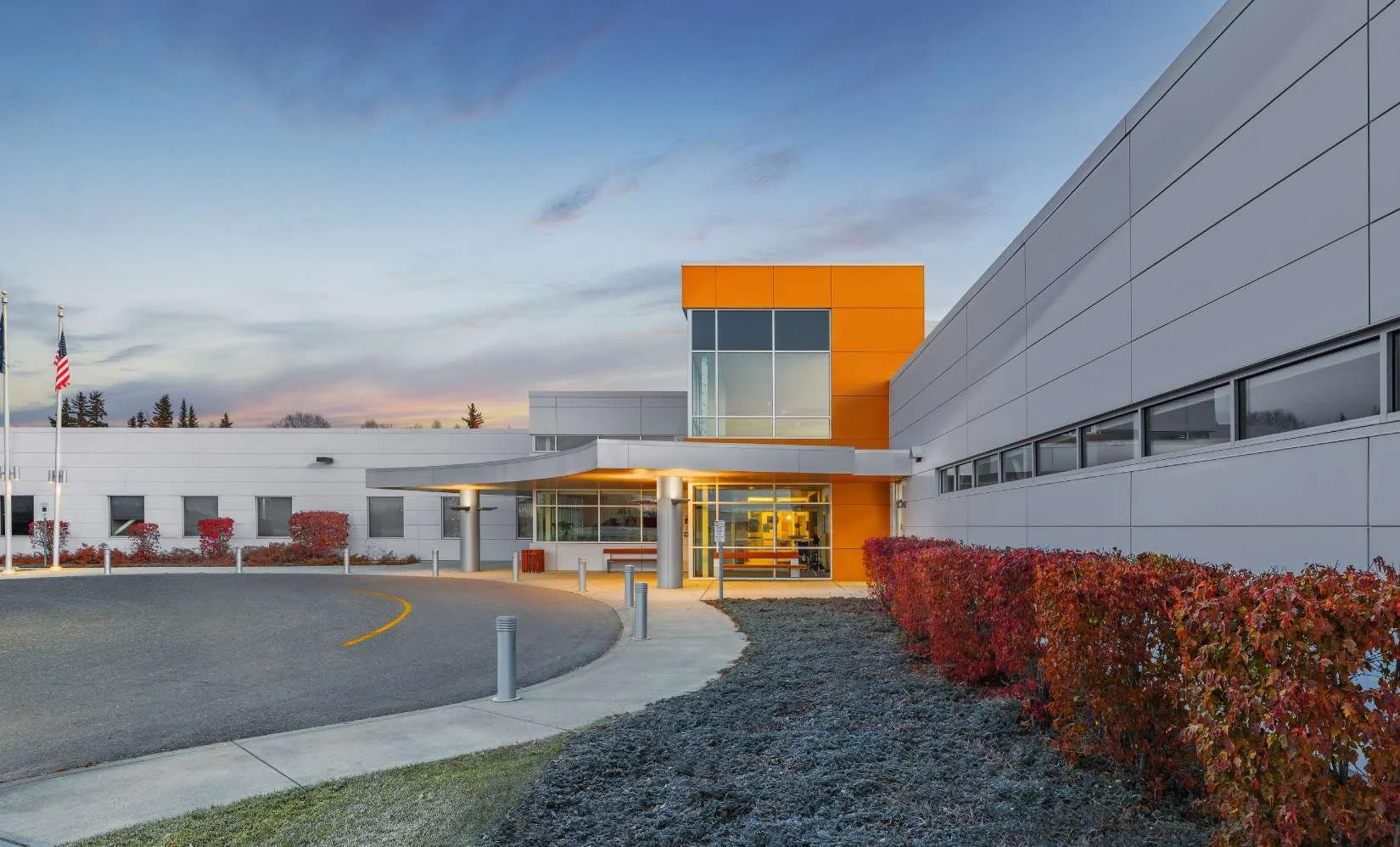
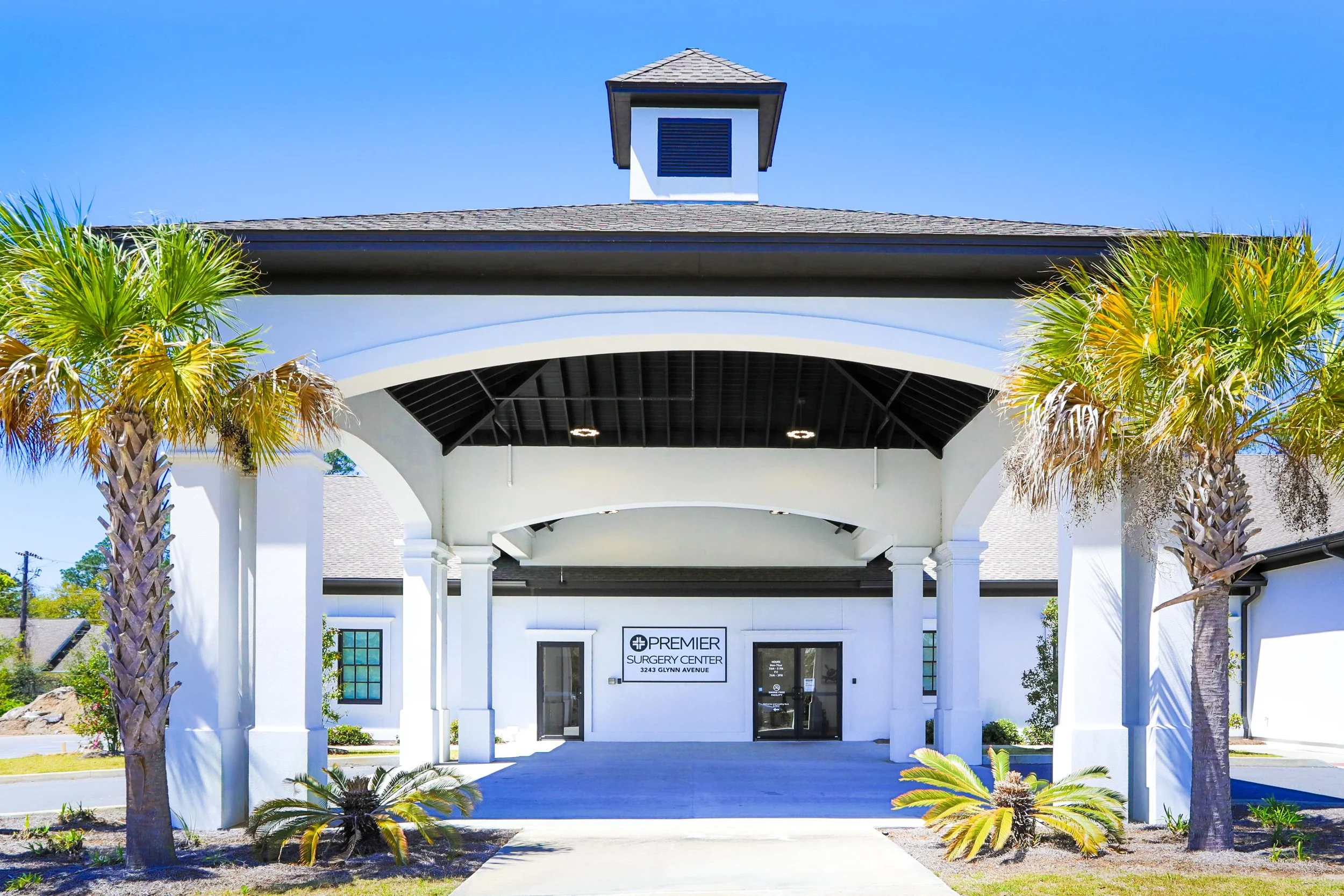
CREG Healthcare has represented physician-owners in ASC real estate sales across the country. Three transactions from our history illustrate the range of ASC assets the institutional market will absorb:
Mistakes to Avoid
Common Mistakes and What They Cost
| Mistake | What It Costs |
|---|---|
| Accepting an unsolicited direct offer | Typically 10–15% below what a competitive process produces. On a $10M building, that's $1M+ left on the table. |
| Going to market without a negotiated leaseback term | Buyers discount for uncertainty on rent, term, and structure. A negotiated term sheet before launch is essential. |
| Using a general commercial broker | No relationships with healthcare REITs or PE funds. The buyer pool shrinks to local private investors paying general office prices. |
| Selling under financial pressure | A maturing loan or forced timeline signals urgency. Buyers price that in. Selling from a position of strength is worth 5–10%. |
| Poor sequencing with a PE practice transaction | Conflicting obligations or timing problems can delay or unwind both transactions. Coordination early avoids surprises. |
Frequently Asked Questions
Can I sell my surgery center real estate without selling the ASC business?
Yes. The real estate and the operating business are separate assets and can be sold independently. Selling the building through a sale-leaseback is one of the most common structures: the physician group sells the property to an institutional buyer and signs a long-term lease to continue operating the ASC. The business remains entirely in physician hands.
What cap rates do ASC buildings trade at?
ASC real estate typically trades at lower cap rates than standard medical office, reflecting the premium buyers place on surgery center income streams. Single-tenant, purpose-built ASC facilities in strong markets have traded in the mid-5% to low-6% range. Cap rate range to be confirmed by Josh against recent CREG transactions before publishing. Cap rates vary by lease term, operator strength, specialty mix, and market.
Who buys ASC real estate?
Healthcare REITs, private equity real estate funds, and institutional investors with healthcare mandates are the primary buyers. These are the same buyers who purchase medical office buildings, but many have dedicated ASC acquisition strategies because surgery center real estate commands premium pricing. Family offices and high-net-worth investors also participate, particularly for smaller facilities.
How long does it take to sell ASC real estate?
From engagement to closing, most ASC real estate transactions take 90 to 150 days. The timeline includes a 2 to 4 week marketing period, 30 to 45 days to negotiate and execute a letter of intent, and 45 to 60 days of due diligence and closing. Having clean lease documentation, current financials, and a clear facility history in hand before launch shortens the process.
Does the lease I sign back have to be a triple-net lease?
Institutional buyers require NNN or absolute-net lease structures, in which the tenant is responsible for property taxes, insurance, and maintenance. Key negotiating points are annual rent escalations (typically 2 to 2.5%), renewal options, and caps on structural maintenance obligations.
Does a Certificate of Need affect the real estate sale?
A CON is a license tied to the operating business, not to the real estate. It does not transfer with the building and is not part of the real estate transaction. However, a CON state location can affect buyer demand: in markets where new ASC licenses are restricted, the existing operator's foothold is more stable, which investors view favorably when underwriting the lease.
Ready to Explore a Sale of Your Surgery Center Real Estate?
CREG Healthcare provides confidential valuations for physician-owned ASC real estate at no cost. We will tell you honestly what your building would trade for in a competitive institutional process and whether now is the right time to bring it to market.
Request a Confidential Valuation